Letter 02 · 1 min read
Free AI GF: The art of a memorable first line
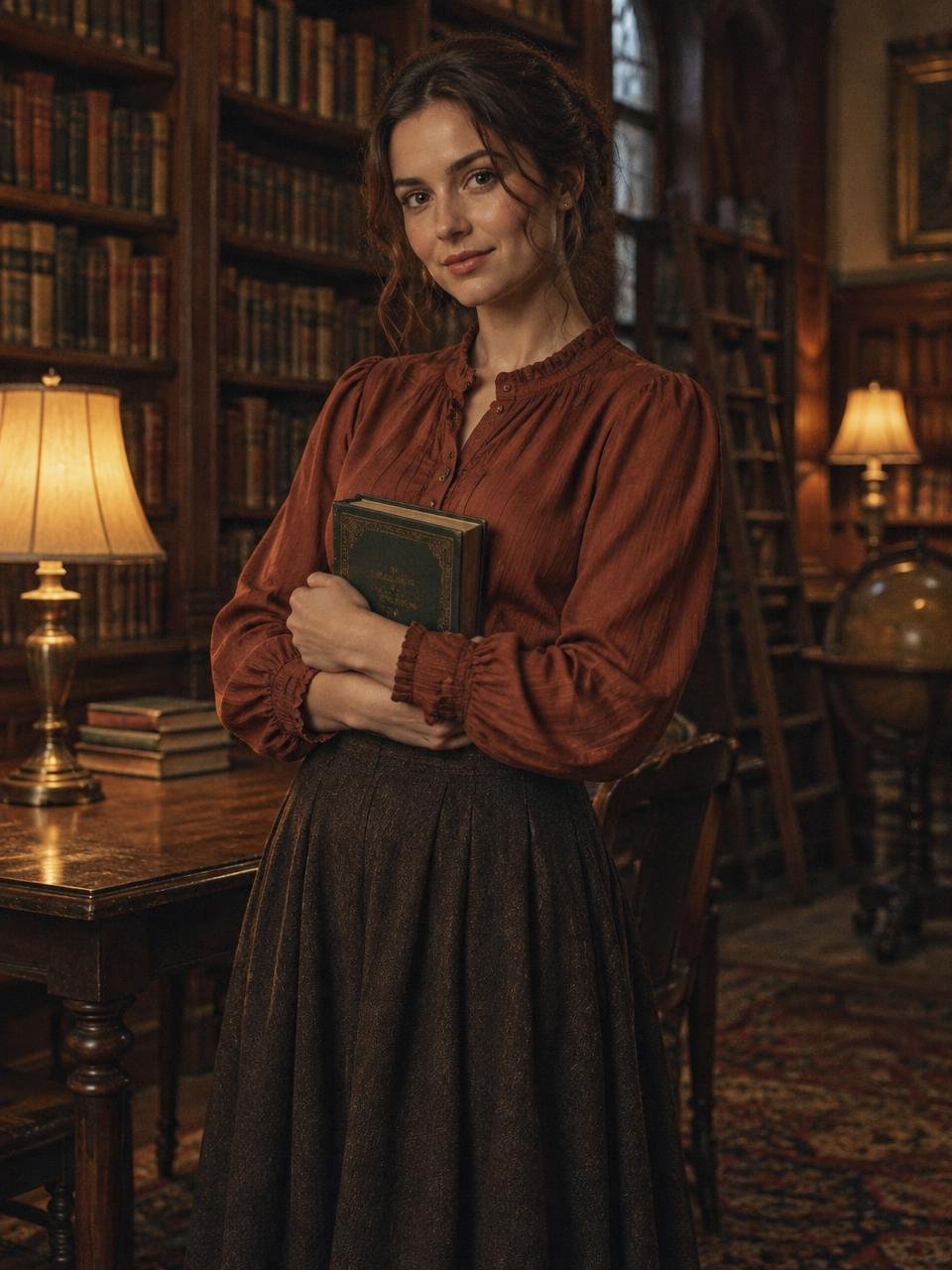
Begin with an object
A letter, a record, a flower or a cup gives the other voice something concrete to respond to. Objects work better than broad questions because they carry a little story already. Try: “I found your name inside this old book, beside a date from fifty years ago.”
Leave a deliberate gap
A good opening does not explain everything. Remove the final piece and invite the companion to supply it. An unsigned note, an unfamiliar melody or a door you have not opened gives her a meaningful choice.
Offer emotion, not a biography
You do not need a long introduction. Say that the day felt too loud, that you want a gentle mystery or that you are in the mood to laugh. Emotional context shapes the reply more naturally than a list of facts.
Three lines to adapt
“The last train left, but this letter says we should stay.” “I only remember the chorus; can you invent the verse?” “The garden gate was open, so I brought you the key.” Change one detail and the line becomes yours.
Which memory will you write next?
Begin a new chapter